Introduction
Salads are one of the most versatile and loved dishes around the world, and the right dressing can turn a simple bowl of greens into a memorable meal. Understanding the types of salad dressings helps you pick, make, and pair dressings perfectly for any occasion. Whether you like rich and creamy, light and tangy, or bold and exotic, there is a dressing to match every taste. In this guide, we break down the most popular types of salad dressings with easy details on ingredients, pairings, difficulty, and where each style shines. By the end, you’ll know exactly which dressing to use for your next salad, dip, or marinade. Learning the types of salad dressings also makes homemade cooking simpler and more fun, no fancy skills required.

Discover the Different Types of Salad Dressings
The world of types of salad dressings is wide and varied, with classic styles and modern twists for every palate. We’ve organized the most common types of salad dressings into clear categories so you can quickly find what you need. Each type has unique flavors, textures, and best uses, making it easy to customize your meals. Let’s dive into the creamy, mayo-based, vinaigrette, Asian, avocado, Greek yogurt ranch, and Thousand Island styles that dominate kitchens worldwide. Knowing these types of salad dressings will elevate your salads, sides, and even main dishes every single time.
Creamy Salad Dressing
Creamy salad dressing is loved for its smooth, rich texture and mild, comforting flavor. Most creamy dressings use a base of mayonnaise, sour cream, or Greek yogurt, making them thick and satisfying. They work beautifully with crisp greens, crunchy vegetables, and hearty salads that need a soft, coating touch. These dressings are popular across North America and Europe, and most are very easy to make at home. Let’s look at two standout creamy variations you’ll want to try.
Creamy Lemon Salad Dressing

Creamy lemon salad dressing adds a bright, fresh twist to classic creamy styles. It typically mixes mayonnaise or Greek yogurt with fresh lemon juice, a little garlic, salt, and pepper. The lemon cuts through richness, so it’s lighter than plain creamy dressing while still being smooth. It pairs wonderfully with spring mixes, cucumber salads, chicken salads, and even cold pasta salads. This dressing is popular in Mediterranean and Western households, and it takes only 2 minutes to whisk together. It’s a perfect choice when you want creamy flavor without heaviness.
Creamy Dill Salad Dressing

Creamy dill salad dressing is a herb-forward favorite that brings earthy, fresh flavor to any dish. The base is similar to other creamy dressings, with added fresh or dried dill for a distinct, savory taste. It’s widely popular in Northern Europe and North America, especially with fish salads, potato salads, and raw vegetable platters. Making it is beginner-friendly—just stir dill into your creamy base and adjust seasonings. The herbaceous note makes it ideal for cool, refreshing salads served in summer or alongside seafood. It’s one of the most underrated but delicious types of salad dressings in the creamy family.
Mayonnaise Salad Dressing
Mayonnaise salad dressing relies on mayo as the main ingredient, creating a thick, creamy, and savory base. Mayo-based dressings are staples in American and European cuisine, used for salads, sandwiches, wraps, and dips. They are ultra-easy to customize with simple mix-ins, so you can make endless flavors in minutes. These dressings are popular worldwide because they’re versatile, shelf-stable when stored right, and loved by both kids and adults. Let’s explore two classic mayo combinations.
Ketchup Mayo Salad Dressing

Ketchup mayo salad dressing, often called “fry sauce” or “cocktail sauce” in some regions, is a sweet-savory crowd-pleaser. It blends equal parts mayonnaise and ketchup, with optional garlic or paprika for extra depth. Popular in the United States, Canada, and parts of Europe, it works with potato salads, coleslaw, fried vegetables, and burger toppings. It takes less than one minute to stir together, making it perfect for last-minute meals. The tangy-sweet balance makes it one of the most approachable types of salad dressings for casual cooking.
Mayonnaise Mustard Salad Dressing

Mayonnaise mustard salad dressing is a tangy, zesty upgrade to plain mayo. It mixes mayonnaise with yellow or Dijon mustard, a touch of vinegar, and salt for brightness. This dressing is popular across Europe and North America, pairing beautifully with egg salads, tuna salads, cold cuts, and green salads. It’s extremely easy to make and adds a sharp, satisfying kick without being spicy. Whether you’re packing a lunch or hosting a picnic, this dressing is a reliable go-to among types of salad dressings.
Basic Vinaigrette Salad Dressing
Basic vinaigrette salad dressing is the lightest, most classic option in the family of salad dressings. Made with oil and acid (usually vinegar or lemon juice), plus salt and pepper, it’s thin, tangy, and healthy. Vinaigrettes originate from France and Italy and are beloved worldwide for their clean, fresh flavor. They are incredibly easy to make—just whisk or shake ingredients together—and work with almost any salad. They’re also lower in calories than creamy styles, making them a favorite for healthy eaters.
Honey Vinaigrette Salad Dressing

Honey vinaigrette salad dressing adds a gentle sweetness to balance the tang of vinegar. It combines olive oil, balsamic or apple cider vinegar, honey, Dijon mustard, and seasonings. Popular in Western and Mediterranean diets, it pairs perfectly with spinach salads, fruit salads, goat cheese, and nut toppings. Making it is simple and quick, with no cooking required. The sweet-tangy profile makes it versatile enough for both green salads and grain bowls, standing out as a top pick in types of salad dressings.
Strawberry Vinaigrette Salad Dressing

Strawberry vinaigrette salad dressing is a fruity, fresh twist on classic vinaigrette. It blends fresh or frozen strawberries, olive oil, balsamic vinegar, a touch of honey, and lemon juice. Popular in the United States and Europe, especially in spring and summer, it matches beautifully with mixed greens, feta, pecans, and citrus salads. It’s easy to make in a blender or food processor, with a bright, juicy flavor that feels festive. This dressing shows how creative and delicious types of salad dressings can be with simple fruit additions.
Asian Salad Dressing
Asian salad dressing brings umami, ginger, sesame, and soy flavors to the lineup of salad dressings. These dressings are bold, aromatic, and slightly sweet-savory, originating from East and Southeast Asia. They work perfectly with cabbage salads, noodle salads, grilled meats, and crunchy vegetable mixes. Most are easy to make with common Asian pantry ingredients, and they add an exciting, exotic touch to everyday meals. Let’s look at two beloved Asian styles.
Asian Salad Ginger Dressing

Asian salad ginger dressing is a bright, zesty option full of fresh ginger and sesame notes. It typically includes sesame oil, rice vinegar, soy sauce, grated ginger, garlic, and a touch of honey or sugar. Popular in Japan, Korea, and Western Asian-fusion restaurants, it pairs with lettuce wraps, coleslaw, and grilled chicken salads. It’s very easy to make by whisking or blending ingredients, with a vibrant flavor that wakes up any dish. It’s a must-try in the Asian category of types of salad dressings.
Asian Miso Salad Dressing

Asian miso salad dressing uses white or red miso paste for a deep, savory umami flavor. It mixes miso, sesame oil, rice vinegar, a little mirin or honey, and water to thin. Hailing from Japan, it’s popular in healthy bowls, seaweed salads, tofu dishes, and green salads. Making it is straightforward—just stir miso into your liquid base until smooth. The rich, savory taste makes it unique among types of salad dressings and ideal for plant-based meals.
Avocado Salad Dressing
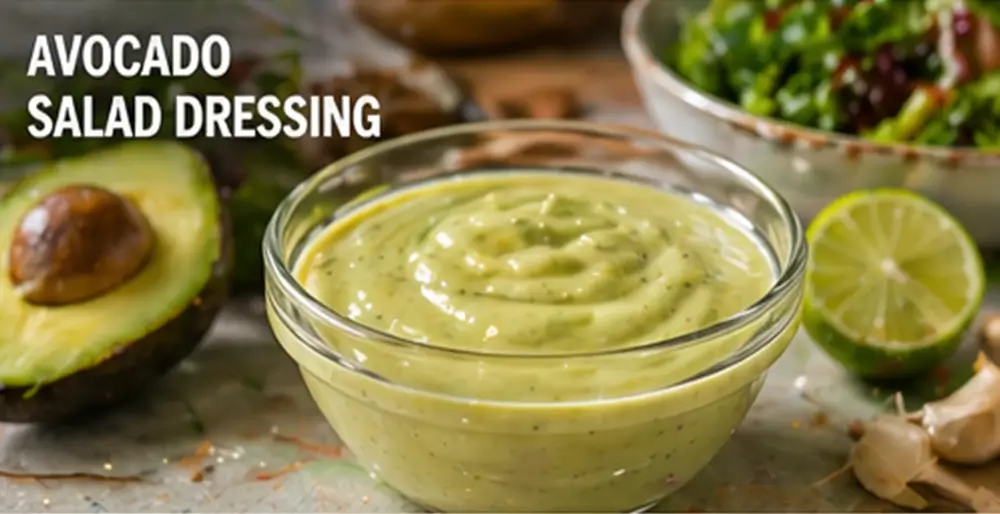
Avocado salad dressing is a creamy, healthy, and modern choice in the family of salad dressings. It uses ripe avocado as the base, blended with lime juice, cilantro, garlic, salt, and a little water or olive oil. Originating from Mexican and California cuisine, it’s popular across North America and in healthy food circles. It’s vegan, gluten-free, and ultra-creamy without mayo, making it great for clean eating. It pairs with taco salads, fajita bowls, mixed greens, and raw veggies. Making it takes 2 minutes in a blender, and the fresh, green flavor is light and satisfying.
Greek Yogurt Salad Dressing Ranch

Greek yogurt salad dressing ranch is a lighter, healthier twist on classic ranch. It uses thick Greek yogurt instead of heavy mayo or buttermilk, with garlic, onion, dill, parsley, salt, and pepper. Popular in the United States and Mediterranean regions, it’s a favorite for health-conscious cooks. It pairs with salads, veggie sticks, wings, and baked potatoes, just like traditional ranch. It’s extremely easy to make—stir all ingredients together—and high in protein. This dressing proves types of salad dressings can be both delicious and good for you.
Thousand Island Dressing Salad

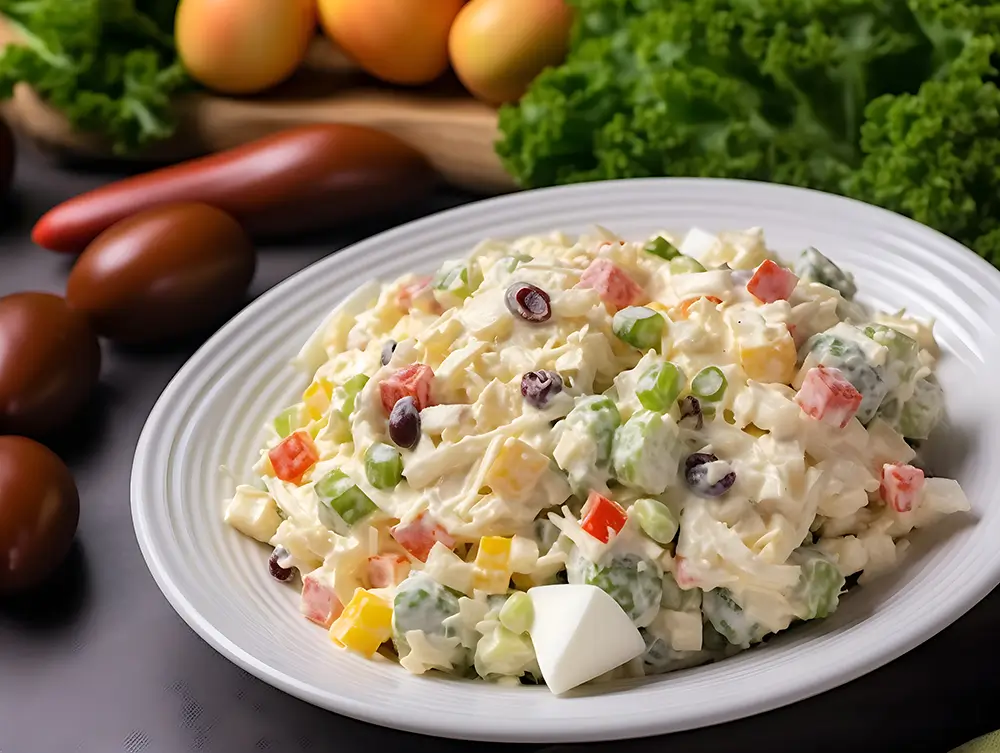
Thousand Island dressing salad is a classic, sweet-savory creamy dressing loved worldwide. It’s made with mayonnaise, ketchup, sweet pickle relish, onions, and sometimes hard-boiled egg or olives. Originating from the Thousand Islands region between the US and Canada, it’s a staple in diners and homes across America. It pairs perfectly with wedge salads, Reuben sandwiches, burgers, and coleslaw. It’s simple to mix at home and has a bold, nostalgic flavor that never goes out of style. It remains one of the most recognizable types of salad dressings for casual comfort food.
Serving Method & Pairing Suggestions
Now that you know the main types of salad dressings, let’s cover how to serve and pair them for the best results. For creamy and mayo-based dressings, serve chilled and drizzle lightly over hearty salads like potato, egg, or coleslaw. They also work great as dips for fries, veggies, and chicken nuggets. Vinaigrette dressings should be shaken or whisked right before serving, as oil and vinegar separate; they’re ideal for light greens, fruit salads, and grain bowls. Asian dressings pair wonderfully with cabbage, noodles, grilled meat, and Asian-style slaws, adding authentic umami flavor. Avocado and Greek yogurt ranch dressings are best served fresh to keep their creamy texture, matching healthy bowls, tacos, and raw vegetable platters. Thousand Island dressing is perfect for wedge salads, sandwiches, and as a dip for appetizers. No matter which of the types of salad dressings you choose, serving at the right temperature and pairing with complementary ingredients makes all the difference.
Storage Methods to Extend Shelf Life
Proper storage keeps your types of salad dressings fresh, safe, and flavorful longer. Most homemade dressings should be stored in airtight glass jars or containers in the refrigerator. Creamy, mayo-based, Greek yogurt, and avocado dressings last 3 to 5 days because they contain dairy or fresh avocado; always check for sour smells or discoloration. Vinaigrette dressings last 1 to 2 weeks refrigerated, as they have no dairy; just shake well before each use. Asian dressings with soy sauce and miso can last up to 1 week chilled, maintaining their bold flavor. Never leave dressings at room temperature for more than 2 hours, especially creamy varieties. Labeling containers with the date helps you track freshness easily. With these simple steps, you can enjoy your favorite types of salad dressings for days without waste.