Introduction
Does mayonnaise expire is one of the top food safety questions for anyone who loves sandwiches, salads, and dips. Mayo is a creamy, emulsified condiment made with oil, egg yolks, acid, and seasonings, and like all perishable foods, it can spoil over time. Whether you have a sealed jar from the pantry or an open one in the fridge, knowing its limits prevents foodborne illness and keeps your meals tasting fresh. We’ll break down shelf life, factors that speed up spoilage, what happens after the expiration date, and how to store mayo properly. This guide also includes easy substitutes and answers to frequently asked questions, so you never have to guess about mayo safety again. Remember, does mayonnaise expire is a simple question with a critical answer for your kitchen.
How Long Does Mayonnaise Last
Mayonnaise’s lifespan changes drastically based on whether it’s unopened, opened, or homemade. Each type has its own timeline for freshness and safety, so you can’t treat all mayo the same way. Knowing these timelines helps you plan meals and avoid tossing good condiments or eating bad mayo. Below, we break down each category with clear, actionable numbers you can trust.

Unopened Mayonnaise Shelf Life
Unopened mayonnaise shelf life is surprisingly long thanks to pasteurization, preservatives, and sealed packaging. Most unopened commercial mayo stays fresh in a cool, dark pantry for 8–12 months past the production date. If you refrigerate unopened mayo, you can extend its freshness even longer, often up to 18 months. Always check the “best by” or “use by” date on the label as your first reference. As long as the seal is unbroken and no damage exists, unopened mayo stays safe and creamy for months. This long unopened mayonnaise shelf life makes it a great pantry staple for busy households.
Opened Mayonnaise Shelf Life
Once you break the seal, the clock starts ticking faster. The shelf life of mayonnaise once opened is 2–3 months when stored continuously in the refrigerator at 40°F (4°C) or below. Warm temperatures, dirty utensils, and air exposure shorten this time quickly. Even if it looks fine, discard opened mayo after 3 months to avoid bacterial growth. Unlike unopened jars, opened mayo can’t sit at room temperature for long without spoiling. Following this shelf life of mayonnaise once opened rule keeps you and your family safe from food poisoning.
Homemade mayonnaise shelf life
Homemade mayo is delicious but far more delicate than store-bought. The homemade mayonnaise shelf life is only 3–5 days in the fridge, even with perfect storage. Most homemade recipes use raw or lightly pasteurized eggs and no preservatives, so bacteria grow rapidly. You can’t keep homemade mayo for weeks like commercial versions. Always make small batches and use them within days for the best taste and safety. Respect the short homemade mayonnaise shelf life to avoid unnecessary health risks.

Factors Affecting Mayonnaise’s Shelf Life
Many elements may impact mayonnaise shelf life, and understanding them helps you keep mayo fresh longer. From factory processing to your home storage, every step changes how long mayo stays good. The key factors influencing mayonnaise shelf life are production, equipment, ingredients, and temperature control. Small mistakes in any area can turn fresh mayo spoiled in days instead of months. Paying attention to these factors maximises your condiment’s lifespan and reduces waste.
Production and Processing Conditions
Commercial mayo production follows strict food safety rules to extend shelf life. High-quality pasteurisation kills harmful bacteria in eggs and other ingredients. Clean, controlled manufacturing environments prevent cross-contamination before packaging. Brands that follow GMP (Good Manufacturing Practices) produce mayo with longer, more consistent shelf life. Cutting corners in processing leads to shorter freshness and a higher spoilage risk. Production quality directly shapes how long your mayo lasts after you bring it home.
Filling Machine
Filling equipment for mayonnaise is critically important to maintain product quality and extend shelf life. Proper filling reduces air intake, bacterial contamination, and seal damage, all of which can cause mayonnaise to spoil early. At Xuefill (Guangzhou Xueba Special Equipment Co., Ltd.), we provide professional filling solutions specially designed for sauces, pastes, and mayonnaise production.
Our Sauce Filling Machine SFQG Series is ideal for small scale makers, home kitchens, and workshops. All product contact parts are made of 316L stainless steel that is corrosion resistant and fully meets food hygiene standards. This series offers outstanding filling accuracy of ≤1%, ensuring clean, consistent, and stable dosing for mayonnaise and similar creamy products.
For commercial and industrial production, we offer our Automatic Filling System Servo-Driven line, which integrates filling, capping, sealing, and labeling in one complete solution. This automated system delivers high efficiency, stable performance, and reliable hygiene control, making it the trusted choice for large scale mayonnaise and sauce manufacturing.
Reliable filling equipment is essential for producing safe, long-lasting, great-tasting store-bought mayonnaise.


Formulation Factors
Ingredient choices strongly affect mayonnaise shelf life. The type and amount of acid (vinegar, lemon juice) lowers pH and slows bacterial growth. Preservatives approved for food use help commercial mayo stay fresh for months. Egg pasteurization level, oil quality, and additive selection all impact resistance to spoilage. Homemade mayo lacks these stabilizers, so it spoils much faster. Formulation is one of the biggest reasons store-bought and homemade mayo have such different life spans.
Storage Conditions
Storage is the single biggest factor you control for shelf life of mayonnaise. Temperature consistency is critical—warmth speeds up bacteria and breaks the emulsion. Keep unopened mayo in a cool, dark pantry away from ovens and sunlight. Once opened, refrigerate immediately and keep the temperature steady at ≤40°F (4°C). Avoid storing opened mayo in the fridge door, where temperatures fluctuate constantly. Tight sealing after each use prevents air and bacteria from entering the jar. Good storage habits double or triple your mayo’s usable life.
How Long Is Mayonnaise Good After the Expiration Date
Many people ask, how long is mayonnaise good after expiration date—and the answer depends on storage and condition. Unopened, properly stored mayo is often safe 1–3 months past the printed date if the seal is intact and no spoilage signs appear. Once opened, you should follow the 2–3 month opened rule regardless of the printed date. The expiration date is a quality guideline, not an exact safety line, but you shouldn’t push it too far. Always inspect mayo carefully before using it past the date. When in doubt, throw it out to avoid risk. Understanding how long is mayonnaise good after expiration date prevents unnecessary waste without compromising safety.

Can You Eat Expired Mayonnaise
The big question: can you eat expired mayonnaise? It depends on how far past the date it is, storage conditions, and visible signs of spoilage. Unopened mayo stored correctly may be safe briefly after the date, but opened mayo is riskier. If you see mold, off smells, or texture changes, do NOT eat it—even if the date hasn’t passed. Eating spoiled mayo can cause food poisoning with unpleasant symptoms. When asking can you eat expired mayonnaise, trust your senses more than the calendar. When unsure, discard it to protect your health.
Symptoms of eating expired mayonnaise
Knowing the symptoms of eating expired mayonnaise helps you act fast if you accidentally consume spoiled condiment. Most issues start within hours of eating and include nausea, vomiting, stomach cramps, and diarrhea. Some people also experience fever, headaches, or general weakness from bacterial toxins. These symptoms result from Salmonella, E. coli, or other pathogens in spoiled mayo. Most cases resolve in a day or two, but severe reactions need medical attention. Recognizing symptoms of eating expired mayonnaise helps you stay safe and seek help if needed.
How to Tell If Mayonnaise Has Gone Bad
Learning how to tell if mayonnaise has gone bad is simple and relies on your senses. First, check the smell—fresh mayo is mild, while spoiled mayo smells sour, rancid, or sharp. Next, look at color and texture: fresh mayo is creamy white and smooth; bad mayo may be yellow, brown, watery, lumpy, or moldy. If you see any fuzzy spots (green, black, pink), discard it immediately. Taste is a last resort—if it’s sour or bitter, spit it out and throw the jar away. These easy checks answer how to tell if mayonnaise has gone bad in seconds. Always inspect before using, especially if it’s old or poorly stored.

How to Store Mayonnaise Properly
Proper storage extends mayo’s life and maintains flavor, giving you more value from every jar. Start with unopened jars: keep them in a cool, dark pantry away from heat and light. Once opened, transfer to the refrigerator immediately and store in the main compartment—not the door. Always use clean, dry utensils to scoop mayo to avoid introducing bacteria or moisture. Seal the lid tightly after every use to block air and contaminants. Don’t freeze mayo, as it breaks the emulsion and becomes watery when thawed. Following these steps keeps mayo creamy, safe, and tasty for as long as possible.
Substitutes for mayonnaise
If you’re out of mayo, want a healthier option, or need vegan alternatives, these substitutes for mayonnaise work perfectly in sandwiches, dips, and dressings. Each swap offers unique benefits like lower fat, more nutrients, or allergy-friendly ingredients. These substitutions for mayonnaise are easy to find and simple to use in most recipes.
Greek Yogurt
Greek yogurt is one of the best substitutes for mayonnaise thanks to its similar thick, creamy texture and mild tang. It has far less fat than traditional mayo and is packed with protein to keep you full longer. The slight acidity matches mayo’s flavor profile, making it ideal for salads, wraps, and dips. Use plain, unsweetened Greek yogurt for the closest result. It’s a nutritious swap that doesn’t sacrifice taste or texture.

Avocado
Avocado is a clean-label, nutrient-dense choice for substitutions for mayonnaise. It provides heart-healthy unsaturated fats instead of the saturated fats in some mayo. Avocado is natural, free from additives, and gives a rich, creamy texture to dishes. It works especially well in sandwiches, toast, and creamy dressings. Mash ripe avocado for a quick, healthy mayo replacement that boosts nutrition.

Hummus
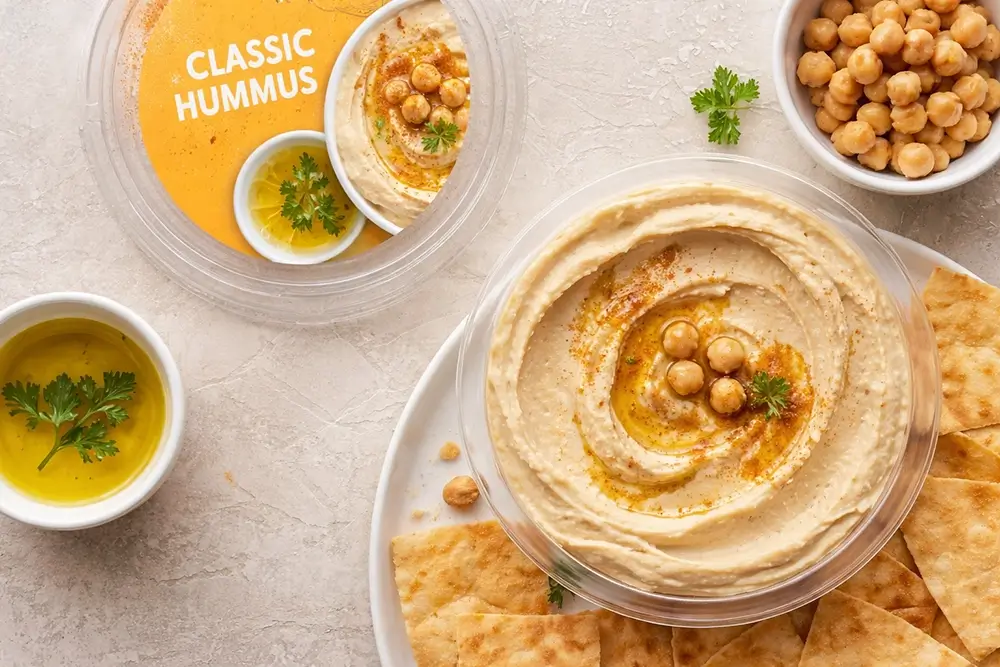
Hummus is a fantastic vegan, egg-free, dairy-free option among substitutes for mayonnaise. It’s high in dietary fiber and plant-based protein, supporting digestion and fullness. The smooth, thick texture works in wraps, bowls, and as a dip. Hummus adds a savory, slightly nutty flavor that complements many dishes. It’s perfect for anyone with dietary restrictions or seeking plant-based swaps.