
Introduction
Greek yogurt is a staple in many households thanks to its rich texture, high protein content, and versatility. But one question keeps coming up: Does Greek yogurt expire, and if so, how long does Greek yogurt last?
Understanding the shelf life of Greek yogurt is essential, whether you’re a consumer trying to avoid food waste or a food business ensuring product quality. While yogurt comes with a labeled expiration date, its actual usability depends on multiple factors like storage conditions, packaging, and processing methods.
In this guide, we’ll break down everything you need to know about the shelf life of Greek yogurt, from unopened containers to homemade batches, and even what happens if you eat expired yogurt.

Shelf Life of Greek Yogurt
When discussing the shelf life of Greek yogurt, it’s important to differentiate between the printed date and real-world usability. The Greek yogurt expiration date is typically a “best by” date rather than a strict safety deadline.
Generally, the Greek yogurt shelf life ranges from:
- 1–2 weeks past the printed date (if unopened and refrigerated properly)
- 5–7 days after opening
However, these timelines depend heavily on storage and handling conditions. Let’s explore more specific scenarios.
How Long Does Greek Yogurt Last After Opening
Once opened, the exposure to air and bacteria begins to affect freshness. So, how long does Greek yogurt last once opened?
Typically:
- 5–7 days in the fridge
- Must be kept tightly sealed
- Should not be left at room temperature for more than 2 hours
The shelf life of Greek yogurt drops significantly after opening because contamination risk increases.
How Long Does Greek Yogurt Last Unopened
Unopened Greek yogurt has a longer shelf life due to its sealed environment. So, how long does Greek yogurt last unopened?
- Usually safe 1–2 weeks past the expiration date
- Must remain continuously refrigerated
This is why proper sealing technology plays a crucial role in extending the Greek yogurt expiry timeline.
How Long Can Greek Yogurt Last in the Fridge
If stored properly at or below 4°C (39°F), the shelf life of Greek yogurt can be maximized.
- Unopened: Up to 2 weeks past expiration
- Opened: About 5–7 days
Temperature fluctuations can shorten this dramatically, making consistent refrigeration essential.
How Long Does Homemade Greek Yogurt Last
Homemade yogurt lacks commercial preservatives and industrial sealing.
- Typically lasts 5–7 days
- Must be stored in airtight containers
Compared to store-bought products, the shelf life of Greek yogurt made at home is shorter but still safe if handled correctly.

What Factors Affect the Shelf Life of Greek Yogurt?
Several factors influence the shelf life of Greek yogurt, especially in commercial production.
Production and Processing Technology
Modern yogurt production uses pasteurization and controlled fermentation to extend shelf life. High-quality processing ensures harmful bacteria are eliminated while preserving beneficial cultures.
Advanced automation also reduces contamination risk, directly impacting the shelf life of Greek yogurt.
Filling Technology and Sealing
Filling and sealing are crucial steps in yogurt production. Inappropriate filling machines and poor sealing can allow oxygen, bacteria, and contaminants to enter, reducing the freshness of the yogurt and affecting its shelf life.
For example:
- Sauce Filling Machine SFQG Series for Greek Yogurt – Designed with 316L stainless steel for food safety, ±1% filling accuracy, and easy cleaning. Ideal for hygienic yogurt packaging.

- Honey Filling Line for Yogurt Sauce – Features ±3mm liquid level precision and high-speed production (80–150 bottles/min). Perfect for viscous products like Greek yogurt with fruit or granules.
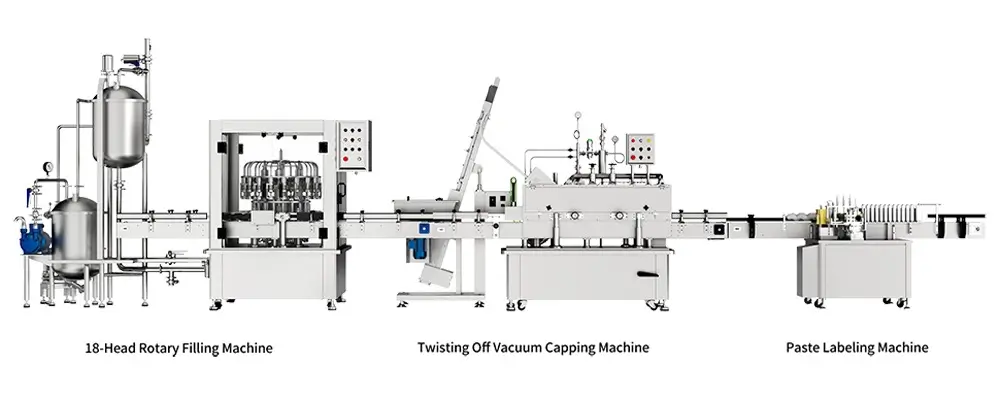
The use of non-contact electromagnetic induction aluminum foil sealing technology minimizes contact with external contaminants while improving sealing performance to prevent leakage and moisture, thereby helping extend the shelf life of Greek yogurt and ensuring a clean, hygienic, pollution-free, and efficient sealing process.
Sealing also plays a role here. For example:
- Hand Held Induction Sealing Machine for Food Bottles – Portable, non-contact sealing for various bottle sizes (15–121mm).

- Induction Sealer Machine SF 2100 for Yogurt Packaging – High-speed sealing up to 280 bottles/min, ideal for large-scale production.

These tools help maintain airtight packaging, preserving the shelf life of Greek yogurt during storage and transport.
Raw Materials and Ingredients
The quality of milk and added ingredients (like fruit or sweeteners) directly affects spoilage rates.
- Fresh, high-quality milk = longer shelf life
- Added sugars or fruits may reduce stability
This is why ingredient sourcing is crucial for maintaining the Greek yogurt shelf life.

Storage Temperature
Temperature is one of the most critical factors.
- Ideal: 0–4°C (32–39°F)
- Above 4°C: Faster bacterial growth
How Long Is Greek Yogurt Good After Expiration Date
Many people wonder: can you eat Greek yogurt past the expiration date?
The answer is often yes—if stored properly.
- 1–2 weeks past expiration (unopened)
- Check smell, texture, and appearance
So, is Greek yogurt good past expiration date? In many cases, yes—but always inspect it carefully.
If you’re asking, how long after expiration date can you eat Greek yogurt, the general rule is:
- Up to 14 days if unopened and refrigerated
However, always rely on sensory checks.

What Happens If You Eat Expired Greek Yogurt
Eating expired yogurt can lead to:
- Mild stomach discomfort
- Food poisoning (in rare cases)
- Nausea or diarrhea
If the yogurt smells sour (beyond normal tanginess), has mold, or shows separation with unusual color, do not consume it.
Understanding the shelf life of Greek yogurt helps avoid these risks.

How to Tell If Greek Yogurt Is Expired
Knowing how to know if Greek yogurt is expired is crucial.
Look for these signs:
- Sour or off smell
- Mold or discoloration
- Excessive liquid separation
- Unusual texture (lumpy or slimy)
Even if within the expiration date, these signs indicate spoilage.
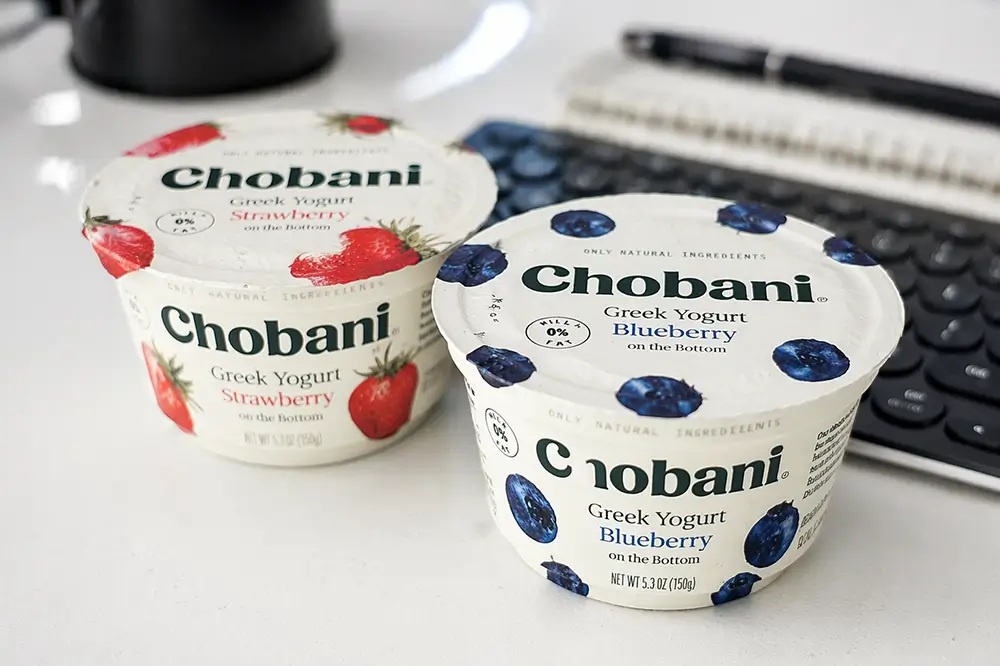
How to Make Greek Yogurt with Expired Greek Yogurt
This is not recommended.
Using expired yogurt as a starter culture can introduce harmful bacteria. Always use fresh yogurt for fermentation.
The shelf life of Greek yogurt does not extend to safe reuse once spoilage begins.
Conclusion
Understanding the shelf life of Greek yogurt is key to both food safety and quality control. Whether you’re a consumer or a food manufacturer, knowing how long does Greek yogurt last, how to store it, and when to discard it can make a big difference.
From unopened containers lasting weeks beyond the Greek yogurt expiration date to opened yogurt needing quick consumption, proper handling is essential. Industrial factors like sealing, filling, and temperature control also play a major role in extending the shelf life of Greek yogurt.
By applying the tips in this guide, you can confidently manage the freshness of your yogurt while reducing waste and ensuring safety.