Introduction
Does peanut butter go bad? The short answer is yes, but probably not as quickly as you might think.
Peanut butter is one of those pantry staples that seems to last forever. Many people keep a jar in the cupboard for months and never think twice about it. However, like most foods, peanut butter has a shelf life, and eventually it can lose quality or even become unsafe to eat.
The good news is that peanut butter is naturally low in moisture, which makes it less likely to spoil compared to many other spreads. That’s one reason it often lasts much longer than products like mayonnaise or Greek yogurt. If you’re curious about how long those foods stay fresh, they have very different storage requirements from peanut butter.
In this guide, you’ll learn how long peanut butter lasts, how to tell if it’s gone bad, whether it needs refrigeration, and how to store it properly. By the end, you’ll know exactly what to look for before grabbing that old jar from the back of your pantry.
What Is Peanut Butter Good For?
Peanut butter is more than just a sandwich spread. It’s packed with protein, healthy fats, vitamins, and minerals that can support an active lifestyle.
Benefits from Peanut Butter
Some of the biggest benefits from peanut butter include:
- High protein content that helps keep you full longer
- Healthy unsaturated fats that support heart health
- Rich source of vitamin E and magnesium
- Convenient energy source for athletes and busy professionals
- Versatile ingredient for snacks, desserts, and smoothies
Because of these nutritional benefits, many people keep peanut butter in their kitchens year-round. That naturally leads to another question: how long can it actually last before quality starts to decline?
How Long Does Peanut Butter Last?
The shelf life of peanut butter depends on whether it’s opened, unopened, or homemade.
Generally speaking, commercial peanut butter can last much longer than most people expect because manufacturers add stabilizers and carefully control production conditions.
How Long Does Peanut Butter Last After Opening?
After opening, commercial peanut butter typically stays fresh for:
- 2–3 months in the pantry
- 6–9 months in the refrigerator
Keeping the lid tightly closed helps prevent oxidation, which is one of the main reasons peanut butter eventually goes bad.
How Long Does Unopened Peanut Butter Last?
An unopened jar can usually last:
- 6–12 months past the printed date
- Sometimes even longer if stored properly
Always check the packaging and storage recommendations from the manufacturer.
How Long Does Homemade Peanut Butter Last?

Homemade peanut butter contains fewer preservatives and stabilizers.
As a result, homemade peanut butter usually lasts:
- 1–2 weeks in the refrigerator
- Up to 3 months in the freezer
Because homemade versions spoil faster, proper storage becomes even more important.
Does Peanut Butter Need to Be Refrigerated?
This is one of the most common questions people ask.
The answer depends on the type of peanut butter you’re using.
Does Peanut Butter Go Bad If Not Refrigerated?
Commercial peanut butter can usually stay at room temperature for several months after opening.
However, exposure to heat, sunlight, and air can speed up oxidation and cause the oils to become rancid.
Does Peanut Butter Need to Be Refrigerated After Opening?
For most commercial brands, refrigeration isn’t required, but is recommended if you want maximum freshness.
Refrigeration slows down oil separation and helps preserve flavor longer.
Can I Refrigerate Natural Peanut Butter?
Absolutely.
Natural peanut butter contains fewer stabilizers, so refrigeration is often the best option after opening.
Many people actually prefer refrigerating natural peanut butter because it helps keep the oils from separating.
What Factors Cause Peanut Butter to Go Bad?
Several factors influence how quickly peanut butter loses quality.
Formula
The recipe itself plays a major role.
Commercial peanut butter often contains stabilizers, salt, and antioxidants that help extend shelf life.
Natural peanut butter contains fewer additives, which means it generally spoils faster.
Production and Processing Conditions
Manufacturing quality has a huge impact on shelf life.
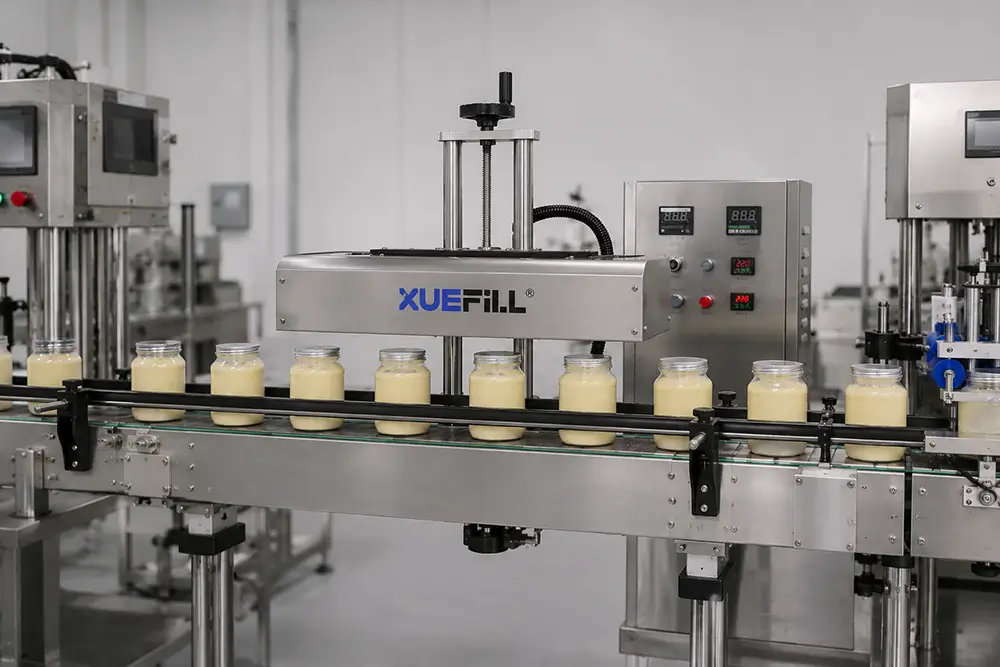
During commercial production, companies use specialized filling and sealing equipment to minimize contamination and oxygen exposure.
Small peanut butter workshops often use a sauce filling machine to improve filling accuracy and maintain product consistency.
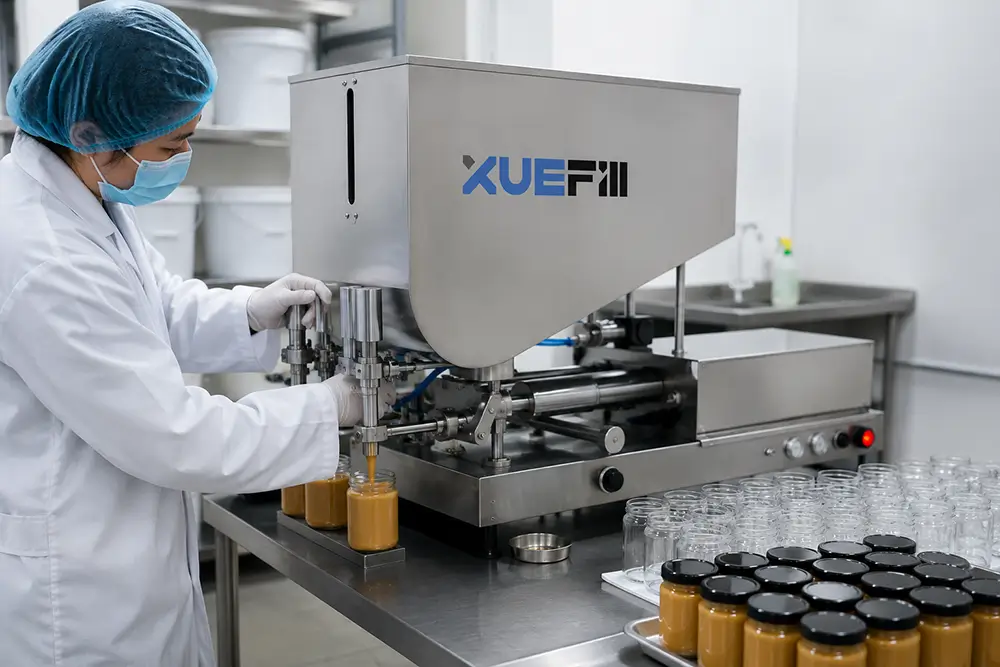
For large-scale factories, an Automatic Filling Line helps ensure high-speed production while maintaining hygiene standards.

After filling, proper sealing is equally important. Small food processors may use a Band Sealer Machine to create secure package seals and reduce oxygen exposure.

Large commercial manufacturers often choose the Induction Sealing Machine SF-2300 for high-volume aluminum foil sealing applications that help preserve freshness and extend shelf life.
Storage Conditions
Storage conditions are often the biggest factor.
Peanut butter lasts longer when:
- Stored in a cool place
- Kept away from sunlight
- Protected from moisture
- Sealed tightly after each use
Even the best peanut butter can deteriorate quickly if stored improperly.
How to Tell If Peanut Butter Is Bad
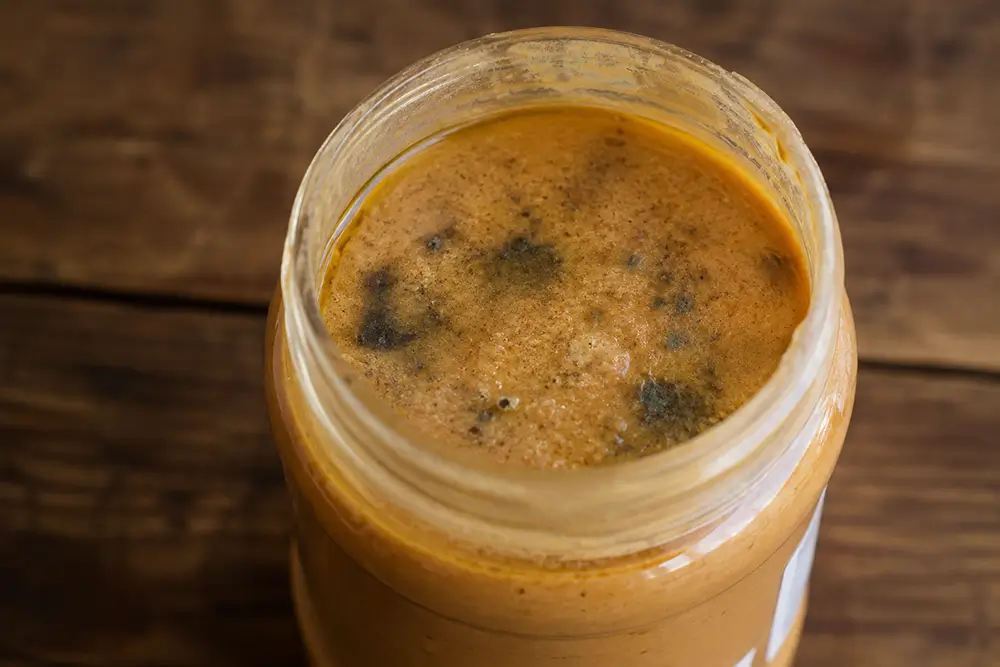
Several warning signs indicate that peanut butter may no longer be safe to eat.
Look for:
- Sour or paint-like smell
- Bitter or unpleasant taste
- Darker color than normal
- Excessive oil separation
- Mold growth
If you notice any of these signs, it’s usually best to throw the jar away.
When in doubt, trust your senses. They are often the first indication that something has changed.
What Happens If You Eat Bad Peanut Butter?
In most cases, eating slightly stale peanut butter won’t cause serious harm.
However, rancid peanut butter may taste unpleasant and can upset your stomach.
If mold develops, consuming contaminated peanut butter could lead to foodborne illness.
The risk is generally low, but it’s never worth taking chances with food that clearly shows signs of spoilage.
How to Make Homemade Peanut Butter & Homemade Peanut Butter Recipe
Making peanut butter at home is surprisingly simple.
All you need is roasted peanuts and a food processor.
Basic recipe:
- Add roasted peanuts to a food processor.
- Blend until smooth.
- Add salt or sweeteners if desired.
- Store in an airtight container.
Homemade Flavored Peanut Butter
Popular homemade flavored peanut butter varieties include:
- Homemade honey peanut butter
- Homemade chocolate peanut butter
- Homemade creamy peanut butter
Some people even mix in cinnamon, maple syrup, or vanilla extract for extra flavor.
Homemade Peanut Butter Recipe Ideas
There are countless ways to use homemade peanut butter.
Popular options include:
- Homemade peanut butter eggs
- Homemade peanut butter dog treats
- Homemade peanut butter frosting
- Homemade peanut butter granola bars
- Homemade peanut butter cookies

- Homemade peanut butter ice cream
- Homemade peanut butter cake
If you’re looking for healthier dessert alternatives, Greek yogurt can sometimes replace part of the peanut butter while reducing calories and increasing protein.
Likewise, some savory recipes combine peanut butter with mayonnaise to create unique sauces and sandwich spreads.
How to Store Peanut Butter
The best way to store peanut butter is simple:
- Keep it tightly sealed
- Store in a cool, dry place
- Refrigerate natural varieties after opening
- Avoid introducing moisture or food particles into the jar
Using a clean spoon every time may seem like a small detail, but it can significantly reduce contamination risks.
At the end of the day, does peanut butter go bad? Yes, it does. However, with proper storage and handling, a jar of peanut butter can stay fresh for months and sometimes even years. Understanding the signs of spoilage and following basic storage practices will help you enjoy every spoonful safely.